


7 summer heat mistakes dog owners make (and how to fix them)
Hot pavements, beaches, cars and heatstroke: seven easy summer mistakes and how to avoid them.

A summer heatwave can arrive almost anywhere in Europe, from Madrid and Milan to Paris, Vienna and even Dublin. On those days, the habits that are perfectly safe in spring can put your dog at real risk within a single afternoon.
Most summer mistakes come from love and routine, not carelessness. The good news is that each one has a simple fix. Here are seven to watch for, and what to do instead.
The most common summer mistakes are walking at midday, too little shade and water, ignoring hot ground, forgetting sun protection, leaving dogs in cars, missing the signs of heatstroke and letting a dog get bored indoors. Walk early and late, test the ground with your hand, never leave your dog in a car, and call your vet at once if you suspect heatstroke.
| Mistake | Quick fix |
|---|---|
| Walking in the midday heat | Walk early in the morning and late in the evening |
| Too little shade and water | Carry water and plan shady rest stops |
| Ignoring hot ground | Test asphalt, stone and sand with the back of your hand |
| No sun protection | Use a dog-safe sun cream on pale noses and ears |
| Leaving a dog in the car | Take your dog with you, every time |
| Missing heatstroke signs | Learn the signs and act fast |
| A bored dog indoors | Swap long walks for frozen toys and brain games |
1. When is it too hot to walk my dog?
If the ground is too hot for your hand, or the air feels heavy and still, it is too hot for a long walk.
The risk is burned paw pads and heatstroke. In a heatwave, move walks to early morning and late evening, when the sun is low and the ground has cooled. Even in northern Europe, pavements in full sun can become painfully hot on a summer afternoon. Keep the midday outing to a short toilet break in the shade.

Freeze a toy overnight and give it after your cool morning walk. It turns a shorter walk into a satisfying routine. For more ideas on making short outings count, see our guide to sniff walks for city dogs.
2. How much water and shade does my dog need in summer?
Your dog should always have shade and fresh drinking water within reach, at home and on the move.
Without them, dogs can become dehydrated and overheated very quickly, especially during play. Put out more than one bowl at home, add a few ice cubes to keep water cool, and carry a bottle and a folding bowl on every walk. Stop for rests in the shade before your dog seems tired.
At the beach, bring fresh water, because drinking seawater can make dogs ill. Rinse salt and sand from their coat afterwards. Beach rules for dogs vary a great deal along Europe's coasts, and many beaches limit dogs in summer, so look for official dog beaches and check local signs before you go.
“Hobie loved his Freezbone frozen with bone broth and blueberries. It took him a good amount of time to enjoy it, well over 15 min. plus some. Definitely will be looking forward to using especially throughout the summer months.”
Stephanie E., verified buyer
A frozen filling is a tasty way to add a little extra fluid to your dog's day. Our frozen summer treats for dogs have five easy recipes.
3. How do I protect my dog's paws from hot ground?
Use the seven-second test: hold the back of your hand on the ground for seven seconds, and if you cannot, it is too hot for paws.
Dark asphalt, stone paving, sand and metal covers can all burn, crack or blister paw pads. During heatwaves, choose grassy or shaded routes, and check your dog's feet after walks for redness, limping or licking. A paw balm can help keep pads in good condition.
When it is simply too hot to go out, bring the fun indoors with a frozen toy on a cool floor instead.

4. Can dogs get sunburnt?
Yes. Dogs with pale or thin fur and pink noses or ears can burn, just like people.
Sunburn is painful and can damage the skin over time. On sunny days, apply a sun cream made for dogs to the nose, ear tips and belly, following the instructions on the label. Human sun creams can contain ingredients that are not suitable for dogs, so ask your vet if you are unsure.
Do
- Use a dog-safe sun cream
- Reapply as the label advises
- Offer shade at all times
Avoid
- Long spells in midday sun
- Sunbathing on hot balconies
- Assuming a light breeze means no burn
5. Is it ever safe to leave my dog in the car?
No. Never leave your dog alone in a car in warm weather, even for a few minutes.
A parked car can heat up to dangerous levels within minutes, even with the windows open or in the shade. Air conditioning can fail when the engine is off. Heatstroke can kill. Leaving a dog in a hot car can also break animal welfare laws, which vary from country to country.
On summer road trips, take your dog with you whenever you leave the car, plan rest stops in the shade, and travel in the cooler hours. Our guide to a road trip with your dog has more tips for long drives.
6. What are the signs of heatstroke in dogs?
Watch for heavy panting, drooling, bright red gums and confusion. Heatstroke is an emergency.
- Heavy, noisy panting that does not ease with rest
- Thick drool or a lot of saliva
- Bright red or very pale gums
- Confusion, stumbling or weakness
- Vomiting, diarrhoea or collapse
If you see these signs, move your dog to a cool, shady place, wet their coat with cool (not ice-cold) water, offer small sips of water, and call your vet straight away. Flat-faced breeds, older dogs, puppies, overweight dogs and dogs with thick coats are at higher risk, so take extra care with them.
7. How do I keep my dog busy indoors in a heatwave?
Replace long walks with frozen enrichment toys and short brain games in the coolest room of your home.
When the heat keeps your dog inside for days, boredom builds. That can lead to restlessness, anxiety and destructive chewing. A few calm activities make all the difference: a frozen lick toy, a snuffle mat, or a quick game of find the treat.

“Layla loves this ! She spends a good 30 minutes with it in the afternoons when she doesn’t get her second walk of the day .”
Lisa D., verified buyer
What other summer hazards should dog owners know about?
Ticks and, in southern Europe, pine processionary caterpillars are two more warm-weather risks worth knowing.
Check your dog for ticks after walks in long grass or woodland, and remove any you find promptly with a tick tool. Our guide to ticks and dogs shows how. If you live in or visit southern Europe, read about pine processionary caterpillars and dogs, because their hairs can cause severe reactions and need a vet immediately.
Summer with your dog should be about long, light evenings and lazy afternoons, not emergency vet visits. Plan around the heat, keep a frozen toy ready, and you will both enjoy the season.
General information, not veterinary advice. If you're worried about your dog, talk to your vet.
Frequently asked questions
-
There is no single cut-off, because breed, age, coat, weight and humidity all play a part. Flat-faced, older and overweight dogs struggle sooner than others. On hot days, keep walks short, stay in the shade, and test the ground with your hand before setting off.
-
Ask your vet or a professional groomer first. For many breeds, especially double-coated dogs, the coat helps protect the skin from sun and heat. A thorough brush to remove loose fur is often a better choice than a close shave.
-
Many dogs love the sea, but keep swims short and stay close. Bring fresh drinking water, because swallowing a lot of seawater can make dogs ill, and rinse salt and sand from their coat afterwards. Check local beach rules before you go, as they vary.
-
A few ice cubes in the water bowl are a simple way to keep water cool and tempting. For a longer-lasting cool treat, freeze a dog-safe filling inside a rubber toy. If your dog shows signs of overheating, cool them gradually with cool water and call your vet.
-
Close blinds or shutters during the day, open windows in the cooler evening, and let your dog lie on tiled floors. A damp towel to lie on and a fan in the room can also help. Make sure fresh water is always within reach.
Shop this guide
Buy 2 save 15% · 3 save 20% · 4 save 25%
-
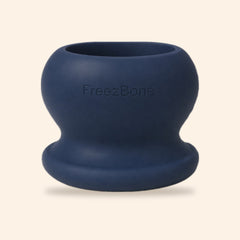
Freezball
Looking for a long-lasting dog bone that can keep up with your active chewer?...
€17,95
Shop Freezball Dog Chew Toy- Durable Fillable Dog Chew Bone -
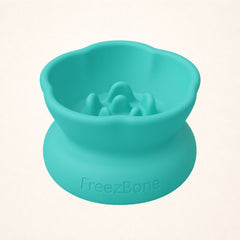
Freezflower Cup
Introducing the FreezFlower Cup, a thoughtfully designed enrichment cup featuring a flower-inspired design to...
€26,95
Shop Freezflower Cup - Frozen Treat Cup for Calm, Happy Dogs -
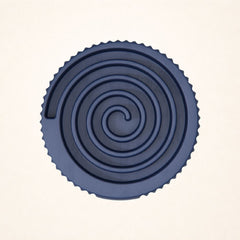
FreezSwirl
Introducing the FreezSwirl—a versatile chew toy with a unique swirling design that takes your...
€28,95
Shop FreezSwirl - Durable Stimulation Toy
Keep reading in Health & Safety

Christmas dangers for dogs: the foods, plants and decorations to keep out of reach
The festive foods, plants and decorations that harm dogs, and how to plan a calm, safe Christmas.

Winter paw care for dogs: road salt, snow and ice on your walks
Rinse, dry and check: simple winter paw care for salted pavements, snowy trails and icy mornings.

Ticks and dogs in Europe: how to check, remove and prevent bites
A quick daily check, the right tool and a prevention plan from your vet keep ticks from becoming a problem.