


Diabetes in dogs and cats: causes, early signs and daily care
Thirst, weight loss, tiredness: how to spot diabetes in your dog or cat and what daily care looks like.

Your dog is emptying the water bowl faster than usual. Your cat is visiting the litter tray more often, or eats well yet feels bonier when you stroke them. Changes like these are easy to blame on warm weather or age. They can also be the first signs of diabetes, a condition that affects both dogs and cats and can usually be managed well once it is found.
Diabetes in dogs and cats happens when the body cannot control blood sugar, either because it makes too little insulin or because it does not respond to insulin properly. Early signs include drinking and peeing more, losing weight while eating normally, tiredness and slow-healing infections. A vet confirms it with blood and urine tests, and most diabetic pets do well with treatment and a steady daily routine.
What is diabetes in dogs and cats?
Diabetes is a condition in which the body cannot regulate its blood sugar (glucose) properly. Either the pancreas stops making enough insulin, or the body stops responding to insulin as it should.
The result is simple to picture: your pet's body cannot turn food into energy in the normal way. That is why a diabetic pet may seem tired, lose weight and drink more than usual. Dogs and cats tend to develop different forms.
| Dogs | Cats | |
|---|---|---|
| Most common form | Similar to type 1 diabetes in people: the pancreas stops producing insulin | Similar to type 2 diabetes in people: the body resists insulin |
| Often linked to | Loss of insulin production | Obesity, diet and insulin resistance |
| Other risk factors | Chronic pancreatitis, hormonal changes and some medicines, in both species | |
| Outlook once stable | Many regain their energy, appetite and spark | Some cats go into remission |
Age plays a part, but it is not the whole story. Younger pets can develop diabetes too, especially if they are overweight or prone to inflammation.
What are the early signs of diabetes in pets?
The classic early signs are drinking more, peeing more, and losing weight despite a normal or bigger appetite. Diabetes usually develops slowly, so these changes can feel ordinary at first. When they last, they deserve your attention.
1. More thirst and more peeing
Extra glucose in the blood pulls water out of the body through the kidneys. Your pet pees more, loses fluid, and drinks more to make up for it. You may notice more trips outside, accidents indoors, or wetter, heavier litter.
2. Weight loss with a normal or bigger appetite
A pet who eats well, or even more than usual, but still gets thinner is one of the clearest warning signs. Because the body cannot use food for energy, it starts breaking down fat and muscle instead.
3. Tiredness and a dull coat
A dog who skips play or a cat who seems less curious may be short of usable energy. A dull coat or a change of mood can point the same way.
4. Cloudy eyes or vision changes
In dogs, longer-term diabetes can cause cataracts, which give the eyes a sudden cloudy look. Cats can have subtler vision changes, which may show as hesitation before jumping.
5. Repeat infections or slow healing
Frequent urinary infections, skin irritation, or wounds that take longer than usual to heal can also be linked to high blood sugar.
How do vets diagnose diabetes in pets?
Your vet will examine your pet and run blood and urine tests to check sugar levels. The tests confirm whether glucose is high and help show which form of diabetes your pet has.
Book a visit as soon as you see a pattern, and bring notes on water intake, appetite, toilet trips and energy. These details help your vet more than you might expect.
Freezbone tip
To measure how much your dog drinks, fill the bowl with a measured amount, such as one litre, at the same time each morning. Note what is left 24 hours later, topping up from a measuring jug when needed. A few days of numbers give your vet something solid to work with. If your dog finds the clinic stressful, these ideas for calmer vet visits can help.
How is diabetes in pets managed day to day?
Management usually combines treatment from your vet, often insulin, with a steady routine of meals, portions and exercise.
Treatment
- Most diabetic pets need insulin or other medical support
- Diet alone rarely cures diabetes
Meals
- Same feeding times every day, with measured portions
- Some pets need a special diet, often higher in protein and lower in carbohydrates. Never change food without your vet
Exercise
- Regular walks or gentle play
- Similar amounts at similar times each day
Monitoring
- Your vet can show you how to check glucose at home or spot signs of imbalance
- Keep a simple daily diary
It takes commitment, but it is rarely as overwhelming as it first sounds. Once the routine settles, most pets adapt well.
Can enrichment toys help a diabetic dog or cat?
Yes, as long as the toy holds part of your pet's measured daily food rather than extra treats. A fillable toy can make healthy eating more enjoyable and help a pet relax, while the portion stays exactly as your vet planned.
- Use your pet's usual or prescribed food, weighed out from their daily allowance. Ideas for frozen fills made from kibble work well here.
- Skip sweet extras such as honey or fruit unless your vet agrees.
- Ask your vet how a frozen meal fits around feeding and insulin times.
The Freezflower Cup is made for supplemental feeding alongside a complete diet, and its guidance is to adjust your dog's total daily portion so their calorie intake stays consistent. The small size holds 180 ml for dogs of 5 to 20 kg, and the large holds 320 ml for dogs of 20 to 40 kg.
“My dog loves these. The bigger ones hold an entire can of wet dog food, and the smaller ones about half a can. I’ve started freezing all his meals because he loves these so much.”
Sam V., verified buyer
Licking a frozen fill takes time, which also gives your pet a calm, absorbing activity on days when they feel flat.
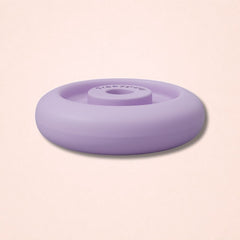
Cats can enjoy the same idea with wet food. The FreezRing holds up to 50 grams of treats or wet food, so you can serve part of a weighed meal in it and freeze it for a slow licking session.
If your cat tends to gulp their food, our guide to slow feeding for cats has more ideas for making meals last.
Can a pet with diabetes live a normal life?
Yes. Many diabetic dogs and cats live comfortable, happy lives once treatment and routine are settled. Some cats go into remission once their blood sugar is stable, and many dogs get back their playfulness, appetite and spark. Consistency, calm and patience do most of the work.
- Weakness, wobbling, trembling or confusion, especially after an insulin dose
- Vomiting, refusing food or sudden extreme tiredness
- A seizure or collapse
- If you see any of these, call your vet or an emergency clinic straight away
And if your pet has been tested, cleared of diabetes, and still seems tired, anxious or uninterested in food, keep talking to your vet. Other conditions can cause similar signs, as our guide to the early signs of illness in dogs and cats explains. Sometimes a pet simply needs a little help to rediscover their appetite and enjoyment.
General information, not veterinary advice. If you're worried about your dog or cat, talk to your vet.
Frequently asked questions
-
No. With treatment and changes to their daily routine, pets with diabetes can live for years with a good quality of life. Early diagnosis and a steady routine agreed with your vet make the biggest difference.
-
In most cases, no. Nutrition plays a big part, especially for cats, but most diabetic pets need insulin or other medical support. Never change your pet's food or stop treatment without talking to your vet.
-
Overweight pets are at higher risk, and cats in particular. Chronic pancreatitis, hormonal changes and some medicines can also raise the risk. It is more common in older pets, but younger animals can be affected too.
-
Only treats your vet approves, counted within the daily food allowance. A simple option is to set aside part of each meal and use it as rewards or as a frozen fill. Avoid sugary human foods and sweet extras.
-
There is no single number that fits every dog, because size, food, weather and exercise all play a part. If you find yourself refilling the bowl more than usual for several days, measure the daily amount for a few days and tell your vet. Increased thirst always deserves a check-up.
Shop this guide
Buy 2 save 15% · 3 save 20% · 4 save 25%
-
Freezflower Cup
Introducing the FreezFlower Cup, a thoughtfully designed enrichment cup featuring a flower-inspired design to...
€26,95
Shop Freezflower Cup - Frozen Treat Cup for Calm, Happy Dogs -
Freezball
Looking for a long-lasting dog bone that can keep up with your active chewer?...
€17,95
Shop Freezball Dog Chew Toy- Durable Fillable Dog Chew Bone -
FreezRing
Tough Chew, Fun Shape Introducing the FreezRing, the ultimate cat toy built to last...
€13,95
Shop Freezring Cat Zen Relief Toy


Keep reading in Health & Safety

Christmas dangers for dogs: the foods, plants and decorations to keep out of reach
The festive foods, plants and decorations that harm dogs, and how to plan a calm, safe Christmas.

Winter paw care for dogs: road salt, snow and ice on your walks
Rinse, dry and check: simple winter paw care for salted pavements, snowy trails and icy mornings.

Ticks and dogs in Europe: how to check, remove and prevent bites
A quick daily check, the right tool and a prevention plan from your vet keep ticks from becoming a problem.