


First-time dog dad: the practical guide to life with your first dog
Food, walks, vet visits, dog-proofing and training: what every new dog dad needs to know.

So you have brought home your first dog. Maybe it is a rescue from a shelter, a scruffy terrier from a neighbour's litter, or a Labrador puppy who has already chewed a sock. Welcome to the club. Life with a dog is muddy, funny and full of love, and it changes your days in ways you will not expect.
Father's Day falls on different dates across Europe, from March in some countries to June or November in others. Whenever yours is, this guide is for every man who has just become a dog's favourite person, and for anyone shopping for him.
As a first-time dog dad, focus on five basics: good food in the right amount, daily walks plus brain games, regular vet check-ups, a dog-proofed home and calm, reward-based training. Make sure your dog is microchipped and wears an ID tag, check the registration rules where you live, and give your new companion time to settle in.
What does a new dog need every day?
Every dog needs good food, exercise, something to think about, a little grooming and plenty of time with you.
Being a dog dad is more than throwing a ball in the park. It is feeding, walking, brushing and, yes, cleaning up the odd unpleasant surprise on the rug. Here is what a normal day should include:
- Good food, measured. Choose a complete dog food with a clear list of ingredients. If the label reads like a chemistry exam, keep looking. On hot days, our frozen summer treats for dogs are a fun way to serve part of a meal.
- Daily walks. Dogs are not built for the sofa. Regular walks are non-negotiable, for their health and for your peace and quiet.
- Brain work. Sniffing, short training games and food puzzles tire a dog out as much as running does.
- Grooming. Even if your own hair is a mess, your dog deserves a regular brush, clean ears and trimmed nails.
What should I buy before my dog comes home?
Get the basics ready in advance, and move anything chewable or dangerous out of reach.
Dog-proofing is a lot like baby-proofing, only with more drool. A safe home and a few good supplies make the first days much easier.
Have ready
- Collar or harness, lead and ID tag
- Poo bags, and plenty of them
- A bed in a quiet corner
- Food and water bowls
- A crate, if you plan to use one
- Tough chew toys and a fillable frozen toy
Hide or move
- Phone chargers and cables
- Shoes, especially your favourite trainers
- Kitchen bins and food left on counters
- Medicines and cleaning products
- Chocolate, grapes and raisins
- Houseplants that may be toxic to dogs
Then set up a calm zone: a bed, a couple of toys and a spot where your dog knows nobody will bother them. Every dog needs a place to retreat to when the house gets busy.

A small set of different toys is one of the best things to have on day one. Each shape gives your dog a different challenge, and a frozen toy buys you quiet time while your new companion learns the house rules.
“My 6mo old loves all of here freeze bones and we love that despite her best efforts, she has not destroyed any of them. Great quality!”
Jenn H., verified buyer
When should my new dog see a vet?
Book a check-up soon after your dog arrives, rather than waiting for a limp or a strange cough.
A first visit is the time to talk about vaccinations, parasite prevention, neutering and the right food for your dog's age and size. Your vet can also check that the microchip works and is registered to you. Rules on registration, dog licences and local dog taxes vary between countries and even between towns, so ask your vet or your local council what applies where you live.
After that, regular check-ups are simply good dog dad behaviour. Prevention is easier on your dog, and usually on your wallet too.
How do I start training my first dog?
Keep it short, keep it consistent, and reward the behaviour you want instead of shouting at what you do not.
Training is not just sit and stay. It is how you and your dog learn to understand each other. Agree on the same words and rules with everyone at home, and practise for a few minutes at a time.
- Reward fast. Praise or treat the moment your dog gets it right.
- Be consistent. If the sofa is off limits on Monday, it is off limits on Saturday too.
- Socialise gently. Introduce your dog to calm dogs, new people, traffic, trams and cafés, a little at a time.
- Pick up after your dog. Every time, everywhere. Do not be that guy.
For practical ideas, try our ways to use chew toys in dog training, and if you have a puppy, work through our puppy socialisation checklist for the city. If your new dog is a rescue, read about settling a rescue dog from abroad.
Can I travel around Europe with my new dog?
Yes. For travel between EU countries, your dog needs an EU pet passport, a microchip and a rabies vaccination.
Your vet can issue the passport and explain the timing. Rules for some countries and for travel outside the EU can differ, so check the official Your Europe: travelling with pets page well before you go. Our guide to travelling in Europe with your dog covers planning and packing.
What will I love most about being a dog dad?
The small moments, mostly. Here are a few you can look forward to:
- The first time your dog falls asleep on your chest halfway through a film. That is it: you are bonded for life.
- The day they slip out of the gate and you chase them down the street in your socks. It will be funny one day. Probably.
- Early mornings with a coffee in your hand and a snoring dog at your feet. That is the good stuff.
Do I have to be a perfect dog dad?
No. You just have to show up.
Being a great dog dad means turning up for every walk, every vet visit and every muddy-paw clean-up. Your dog does not care what you lift at the gym or what car you drive. They just want to be next to you.
So here is to every first-time dog dad. May your lead never tangle, your sofa stay mostly hair-free, and your heart grow a little bigger with every wag of that tail.
Frequently asked questions
-
Both can work well. Puppies need a lot of time for toilet training, chewing and socialising, while an adult dog often arrives with some manners already in place. Think honestly about your time, space and routine, and talk to the shelter or breeder about which dog fits your life.
-
Every dog needs time for walks, meals, play, training and simply being with you. Active young dogs need more, and older dogs often need less exercise but just as much company. Plan for your dog to be part of your day, not an extra squeezed in at the end.
-
A tough chew toy, a frozen enrichment toy with a favourite filling, a good lead, or a day out together on a dog-friendly walk. Gifts that make daily life with the dog easier are usually the most appreciated. Whatever you choose, time together is the part the dog cares about most.
-
Put tempting items out of reach, and give your dog plenty of their own things to chew, such as tough natural rubber toys. When you catch them chewing something they should not, calmly swap it for their toy and praise them. A frozen toy helps to keep a young dog busy when you cannot watch them.
-
In many European countries, dogs must be microchipped and registered, and some towns also charge a yearly dog tax or licence. The rules vary from place to place. Your vet or local council can tell you exactly what applies where you live.
Shop this guide
Buy 2 save 15% · 3 save 20% · 4 save 25%
-
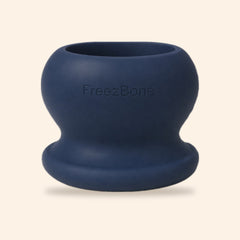
Freezball
Looking for a long-lasting dog bone that can keep up with your active chewer?...
€17,95
Shop Freezball Dog Chew Toy- Durable Fillable Dog Chew Bone -
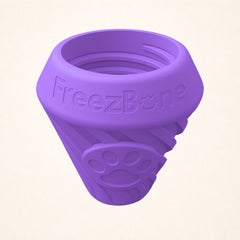
FreezCone
The FreezCone is what happens when enrichment meets smart design. Shaped like an ice...
€29,95
Shop FreezCone – The Ice-Cream–Shaped Enrichment Dogs Can’t Put Down
Keep reading in Travel & Dog Life

Road trip with your dog: stops, safety and settling in on arrival
Long drives across Europe with a dog: safe travel in the car, regular breaks, heat and a calm arrival.

Travelling in Europe with your dog: pet passports, planning and packing
Paperwork, ferries, trains and holiday rentals, plus how to help your dog settle in when you arrive.

August with your dog in Europe: summer holidays, heat and holiday care
Heat, holidays, travel and care options: a simple plan for a calm European August with your dog.