


Frailty in senior dogs: the five signs a frailty check looks at
Mobility, weight, mind, appetite and mood: what a frailty check covers and how to spot changes early.

Your dog used to race up the stairs. Now they stop at the bottom, look up, and think about it first. Small changes like this are easy to put down to old age, but together they can point to frailty: a slow loss of strength and resilience that leaves a senior dog more open to illness. A frailty assessment gives you and your vet a structured way to spot those changes early, while there is still a lot you can do to help.
Frailty in a senior dog is a gradual decline in physical function that makes them more vulnerable to health problems. A frailty assessment scores five areas: mobility and strength, body condition and weight, thinking and interaction, appetite and drinking, and overall quality of life. Tracking these areas at home and sharing any change with your vet means problems are found sooner and care can be adjusted in time.
What is frailty in older dogs?
Frailty is a decline in how well an older dog's body works, which makes them less able to cope with illness, injury or stress. It is not one single disease. It is a group of small losses that add up over months or years.
Typical signs include weight loss, weaker muscles, stiffer movement and catching infections more easily. Frailty is not the same as age. Two ten-year-old dogs can be in very different condition, so vets look at how a dog is coping, not only at their age.
How does a frailty assessment for dogs work?
A frailty assessment gives each part of your dog's health a score, so change can be measured instead of guessed. Veterinary researchers developed this kind of tool to bring more structure to senior care. It brings together mobility, body condition, behaviour and other everyday signs, and turns what you and your vet observe into a clearer picture.
The value comes from repeating it. One score is a snapshot. A series of scores, taken every few months, shows whether your dog is holding steady, improving, or slowly slipping.
What are the five areas a frailty check looks at?
Each area covers a different part of your dog's daily life, and a change in any one of them is worth writing down.
| Area | What it covers | What you might notice at home |
|---|---|---|
| Mobility and strength | Walking, standing up, climbing | Slow to get up from bed, hesitates at stairs or the car boot, shorter walks |
| Body condition and weight | Weight and muscle mass | Spine or hips easier to feel, thinner back legs, or weight gain from moving less |
| Thinking and interaction | Memory, response to familiar cues and routines | Seems lost in familiar rooms, ignores cues they know well, greets you differently |
| Appetite and drinking | Interest in food, eating habits, hydration | Leaves food, chews on one side, eats slowly, drinks more or less than usual |
| Quality of life | Mood, energy and enjoyment | Plays less, loses interest in walks or toys, sleeps more, seems flat |
Many of these changes have a treatable cause. Weakness when standing up can mean muscle loss or sore joints. A change in appetite can come from dental pain, a digestive problem or a wider loss of interest in food. Less enthusiasm for play can be a sign of pain or discomfort. None of these should be written off as normal ageing until your vet has had a look.
Why does spotting frailty early matter?
Frailty usually creeps in slowly, so catching it early gives your vet more time and more options. Early care can slow the decline, ease discomfort and help your dog enjoy a better quality of life for longer. Depending on the cause, that might mean a change of diet, physiotherapy, or medicines to manage pain and other symptoms.
You can track change at home
- Clear areas to watch and note
Early signs are less likely to slip by
- Slow changes become visible sooner
Care fits your dog
- Diet, exercise and home set-up matched to their needs
Vet visits work better
- Easier to see if treatment is helping
How can I check my senior dog for frailty at home?
Spend ten minutes once a month noting the five areas, and take your notes to every vet visit.
- Pick the same day each month, such as the first Sunday, so you do not forget.
- Weigh your dog. If they are too big for your bathroom scales, ask your vet practice whether you can use theirs.
- Run your hands along their back, hips and back legs. Note any muscle that feels thinner and any new lump, and read our guide to the early signs of cancer in dogs and cats if you find one.
- Watch how they get out of bed and how they move on a normal walk. Film a short clip on your phone so you can compare it with last month.
- Note appetite, drinking, toilet habits, mood and energy. Drinking much more than usual is worth a call to your vet, as it can be a sign of conditions such as diabetes in dogs.
Freezbone tip
A short video from home helps your vet, because many dogs hide their stiffness in the consulting room. If the visit itself worries your dog, these ideas for calmer vet visits can help.
How can I keep an older dog comfortable and happy?
Most senior dogs do well with regular check-ups, suitable food, gentle exercise, a comfortable home and something to keep their mind busy.
Helps
- Regular vet check-ups. Ask how often your dog should come in at their age
- A balanced, easy-to-digest diet chosen with your vet, who may suggest food that supports the joints
- Short, gentle walks or swimming where it is safe and allowed
- Supportive bedding, a ramp for the car or sofa, and food and water within easy reach
- Short training sessions, gentle play and lick or chew toys
Avoid
- Long, tiring walks that leave your dog sore the next day
- Slippery tiled or wooden floors with no rugs
- Sudden changes of food without checking with your vet
- Very hard chews if your dog has sore or worn teeth
Which enrichment toys suit a senior dog?
Toys that let an older dog lick and work at food slowly, without hard chewing or chasing, are usually the best fit. Licking is calm and absorbing, and a frozen fill turns a few spoonfuls of food into a long, quiet job for the mind on days when the body wants to rest.

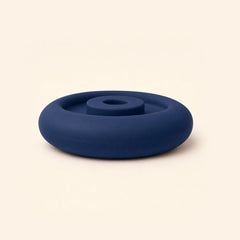
The Freez Doughnut is a flat, natural rubber ring you fill and freeze. The small size holds up to 80 ml and suits dogs of 5 to 10 kg, and the large size holds 120 ml for dogs of 10 to 20 kg. It gives up to 45 minutes of licking and goes in the dishwasher afterwards.
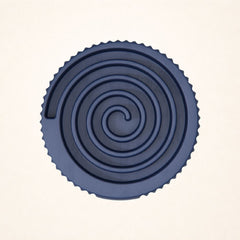
For bigger seniors, the FreezSwirl is a wide, flat spiral, 170 mm across, made for dogs of 10 to 40 kg. Its shallow grooves keep the food close to the surface, so your dog can lick rather than dig.
“My four dogs love them. Puppy loves the cone. The boys love the cube. And the old mama dog loves the donut.”
Lise S., verified buyer
Use part of your dog's normal daily food in the toy, so the treat does not add extra calories. If your dog has sensitive teeth, let the frozen fill soften for a few minutes before you hand it over. You will find more gentle ideas in our guide to enrichment for senior dogs.
When should I take my senior dog to the vet?
Book a visit for any change that lasts more than a few days or keeps getting worse, and go the same day for anything sudden.
- Sudden weakness, collapse, or being unable to stand
- Refusing food, or losing weight quickly
- A new lump that grows
- Confusion, getting stuck in corners, or pacing at night
- Drinking much more than usual
- Signs of pain, such as crying out, limping or not wanting to be touched
Getting older is not an illness, and many senior dogs stay bright and happy for years. Watching the five areas simply helps you notice when your dog needs a little more help.
General information, not veterinary advice. If you're worried about your dog, talk to your vet.
Frequently asked questions
-
It depends on size and breed. Larger dogs tend to show signs of ageing earlier than small dogs. Rather than focusing on a number, watch how your dog moves, eats and behaves, and ask your vet when to start senior check-ups.
-
Some early changes, such as muscle loss or weight change, can be slowed or improved with the right diet, gentle exercise and pain relief from your vet. Frailty is usually gradual, so the aim is to keep your dog comfortable and active for as long as possible. Starting early gives the best chance.
-
Older dogs often sleep more than younger ones. A sudden increase, or sleeping instead of doing things they used to enjoy, can be a sign of pain or illness. Mention it to your vet, especially if it comes with other changes.
-
Ask your vet how often your dog should come in, as it depends on their health. Older dogs often benefit from more frequent check-ups than younger dogs, because changes can happen faster. Bring your monthly notes to each visit.
-
Short, gentle walks spread through the day usually suit older dogs better than one long outing. Swimming can be kind to stiff joints where it is safe and allowed. Sniffing games and food puzzles add mental exercise without strain.
-
For most older dogs, yes, as long as the toy is the right size and the fill suits their diet. If your dog has sensitive teeth, let the frozen fill soften for a few minutes first. Supervise the first sessions and ask your vet if your dog has dental problems.
Shop this guide
Buy 2 save 15% · 3 save 20% · 4 save 25%
-
Freez Doughnut
Got a pup with a powerful bite? Don't sweat it, we've got you...
€18,95
Shop Freez Doughnut - Super Durable Treat Toy -
FreezSwirl
Introducing the FreezSwirl—a versatile chew toy with a unique swirling design that takes your...
€28,95
Shop FreezSwirl - Durable Stimulation Toy -
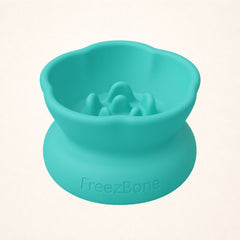
Freezflower Cup
Introducing the FreezFlower Cup, a thoughtfully designed enrichment cup featuring a flower-inspired design to...
€26,95
Shop Freezflower Cup - Frozen Treat Cup for Calm, Happy Dogs
Keep reading in Health & Safety

Christmas dangers for dogs: the foods, plants and decorations to keep out of reach
The festive foods, plants and decorations that harm dogs, and how to plan a calm, safe Christmas.

Winter paw care for dogs: road salt, snow and ice on your walks
Rinse, dry and check: simple winter paw care for salted pavements, snowy trails and icy mornings.

Ticks and dogs in Europe: how to check, remove and prevent bites
A quick daily check, the right tool and a prevention plan from your vet keep ticks from becoming a problem.